Leadership and Mentorship - a Virtuous Cycle
Mentoring doesn’t just develop the mentee - it develops the leader, too.

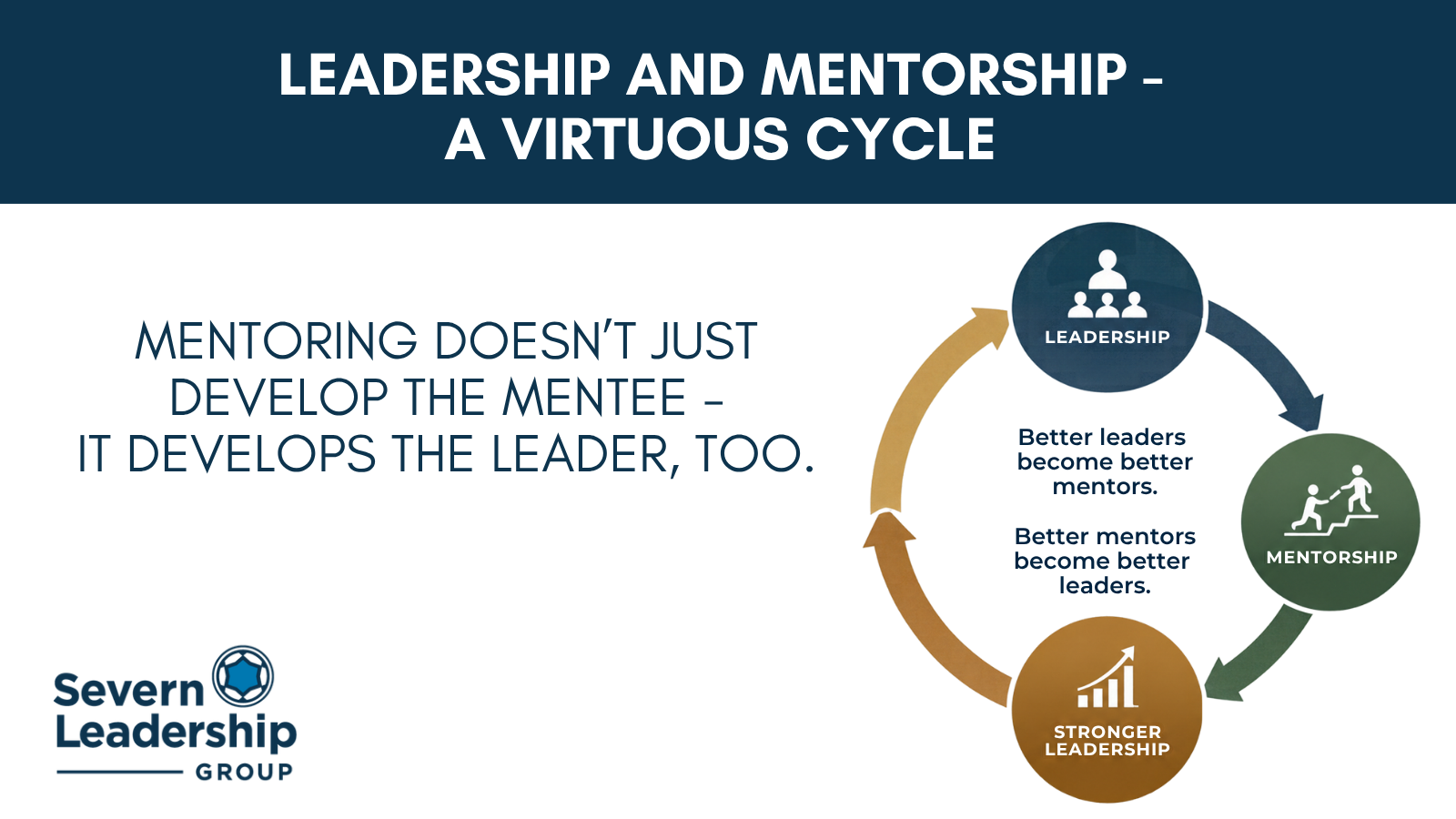
Leadership and Mentorship - a Virtuous Cycle
Mentoring doesn’t just develop the mentee - it develops the leader, too.
The Power of a Virtuous Cycle
Virtuous cycle - a self-reinforcing chain of events where each positive result improves the conditions for the next, creating continuous growth or benefit. As leaders, finding, pursuing, and fostering virtuous cycles provide significant benefits that help achieve organizational goals and promote a culture of excellence and continuous improvement.
My experience in the nuclear submarine navy provides a real-life example of a virtuous cycle. The submarine force is all volunteer and standards of performance are extremely high. There’s heavy investment in training from the most junior seaman to the most senior officers on board. EVERYONE is required to “qualify in submarines,” which means they must learn and prove proficiency in their knowledge of all the ship’s critical systems and their operation in addition to learning and qualifying on specifically assigned watch stations. These high standards and significant commitment to training result in crews that are among the most elite in the military. That reputation (and reality) attracts high-quality officers and recruits to the all-volunteer service. As a young ROTC midshipman, it’s why I chose submarines for my naval career. My first experience with the crew of a nuclear submarine was a week onboard the USS Guardfish. I was so impressed with the quality and expertise of the crew, I knew then that submarine service was for me.
This was my introduction to the tremendous impact of the virtuous cycle that drives the development of a leader and the people they impact.
From Leader to Mentor
My chapter (Chapter 8) of the book Mentorship Mastery, a Holistic Guide for Virtuous Leaders, is titled “From Leader to Mentor, Give Back and Change Lives.” There I write about my journey from leader to mentor – my “why.” Of course, every mentor has their own “why.” Some are motivated altruistically by a desire to give back; others have benefited significantly from mentors in their own careers. Still others do it because their organization or business requires it to succeed. There is another universal reason for leaders to pursue mentorship:
Many leadership skills apply directly to effective mentorship, and mentoring provides opportunities for good leaders to hone those skills and make themselves better leaders, which in turn makes them better mentors – a true virtuous cycle!
Three Principles of Effective Mentorship
In my chapter, I talk about three principles that best describe a mentor’s role, mindset, and behaviors:
Principle 1: Show up with the right mindset; it starts with them and is all about them
Principle 2: Let them grow; empower mentees to invest in the process and self-learn
Principle 3: Be engaged; actively support them throughout the journey
To properly demonstrate these principles, leaders and mentors must possess certain skills and have the integrity to behave in certain ways that engender trust, care, and honesty. For example:
Principle 1 Skill and Behavior: set aside your ego, be available, withhold judgement, be vulnerable and, when appropriate, share your experiences with setbacks and lessons learned.
Principle 2 Skill and Behavior: actively listen, ask good questions, resist the urge to offer advice too quickly – let them figure it out first!
Principle 3 Skill and Behavior: provide honest and effective feedback, utilize the power of positive reinforcement, help hold them accountable – not necessarily for outcomes, but to their commitments, behaviors, and identifying and pursuing their developmental goals.
What leader has not struggled with one or more of these skills?! Maybe all of them!!
Invest in the Virtuous Cycle
Mentoring provides a forum to develop these key leadership skills. And it doesn’t have to be a formal mentoring arrangement. As leaders, we are often approached for advice or mentorship from others within our network. Don’t hesitate, and as you develop relationships, look for opportunities to offer mentorship. Of course, I highly recommend seeking mentorship opportunities more formally – either through your company’s formal programs, non-profits you may be involved with, schools, or the Severn Leadership Group.
Finally, I would be remiss not to reinforce that effective mentorship requires exercising the very behaviors necessary to be a virtuous leader. So, if you believe in virtuous leadership, want to become a better leader, and practice virtuous behaviors, then become a mentor. It will make you a better leader, better mentor, and better person.
Invest in the virtuous cycle!
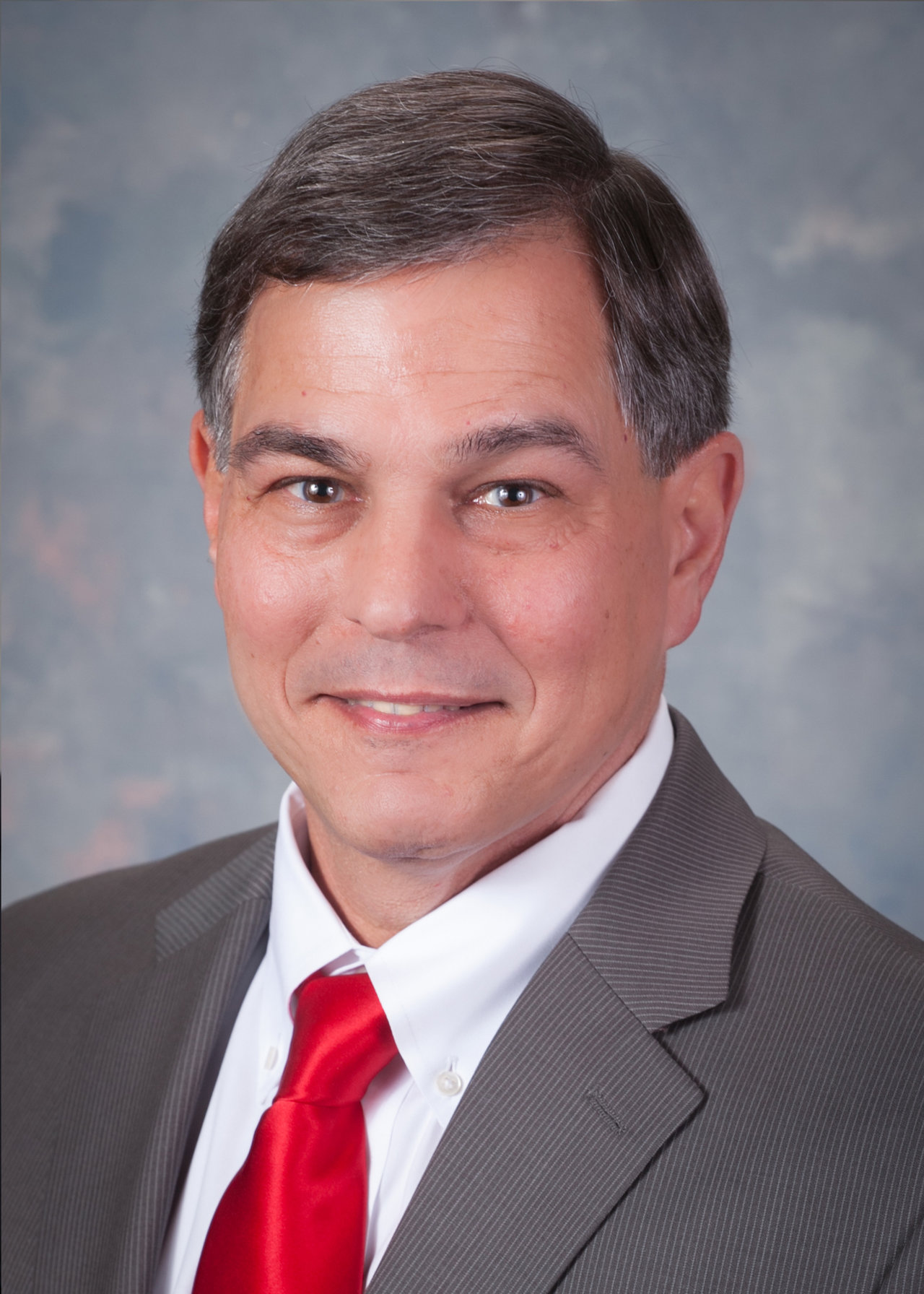
Don Vinci is an accomplished former utility executive who retired from Entergy Corporation after a 33-year career spanning operational, corporate, and executive leadership roles. Before his corporate career, Don served as a submarine officer in the U.S. Navy and later retired as a Captain from the Naval Reserves.
Today, Don serves as a board member, mentor, and facilitator with Severn Leadership Group and is a contributing author of Mentorship Mastery: A Holistic Guide for Virtuous Leaders. A New Orleans native, he holds bachelor’s and master’s degrees from Tulane University and continues to support leadership development through several advisory and alumni organizations.